Introduction
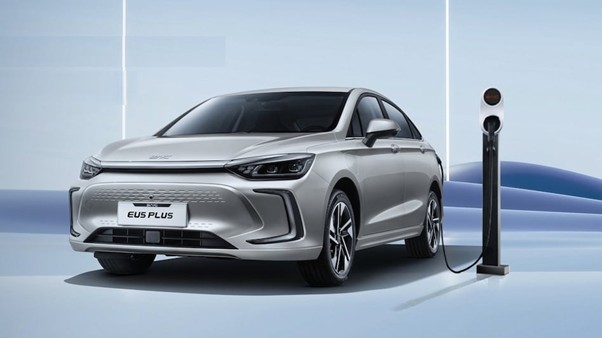
Electric vehicles (EVs) are gaining popularity worldwide, but charging time and range anxiety remain major concerns. Now, a breakthrough by BAIC could change the game. The Chinese automaker has developed a new sodium-ion battery prototype that can fully charge in just 11 minutes under test conditions.
What Makes This Battery Special?
The newly developed sodium-ion battery offers fast charging and improved performance in extreme conditions. According to BAIC’s research division:
- Energy density: 170 Wh/kg
- Charging speed: 4C fast charging
- Full charge time: Around 11 minutes (in testing conditions)
While real-world charging times may vary, this development marks a significant step toward faster EV charging solutions.
Designed for Extreme Temperatures
One of the key advantages of this battery is its ability to operate in a wide temperature range.
- Works between -40°C to 60°C
- Retains about 92% efficiency at -20°C
- Remains stable even at temperatures up to 200°C during thermal testing
This makes it especially useful in regions with harsh winters, where traditional batteries often struggle.
What is Sodium-Ion Battery Technology?
Sodium-ion batteries are emerging as an alternative to traditional lithium-ion batteries. Unlike lithium, sodium is more abundant and easier to source, which can reduce production costs.
Key Benefits
- Lower cost due to easily available raw materials
- Better performance in cold weather
- Improved safety and thermal stability
Current Limitations
- Lower energy density compared to lithium-ion batteries
- Still in early stages of commercial development
Part of a Larger Battery Program
This new battery is part of BAIC’s broader “Aurora Battery” program, which includes:
- Lithium-ion batteries
- Solid-state batteries
- Sodium-ion batteries
The company has also completed validation for mass production processes of prismatic sodium-ion cells, indicating progress toward commercialization.
Growing Industry Interest
BAIC is not alone in this race. Several Chinese companies are actively developing sodium-ion battery technology.
For example:
- Changan Automobile
- CATL
These companies recently showcased a mass-produced sodium-ion EV with a 45 kWh battery and a claimed range of over 400 km. The model is expected to launch by mid-2026.
Patent and Innovation Push
BAIC has filed nearly 20 patents related to this technology, covering:
- Battery materials
- Cell design
- Manufacturing processes
- Testing methods
The company is also working on advanced charging strategies, electrochemical modeling, and battery life optimization.
What This Means for EV Users
If successfully commercialized, sodium-ion batteries could:
- Reduce EV charging time significantly
- Lower the overall cost of electric vehicles
- Improve performance in extreme climates
This could address two of the biggest concerns for EV buyers—charging time and reliability.
Conclusion
The development of an 11-minute fast-charging sodium-ion battery by BAIC represents a major step forward in EV technology. While it is still in the pre-commercial stage, the innovation highlights the rapid progress being made in battery research.
As more companies invest in alternative battery technologies, the future of electric mobility looks faster, cheaper, and more efficient.