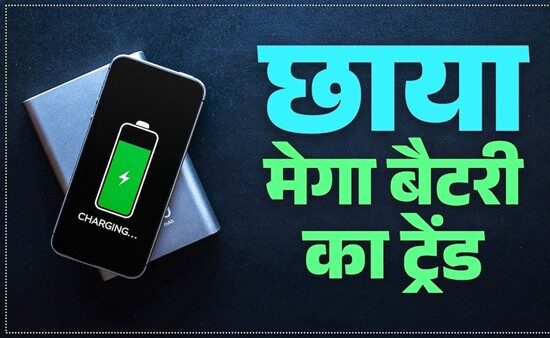
Introduction: Bigger Battery, Better Phone? Not Always
In today’s smartphone market, many brands are launching devices with massive batteries ranging from 7000mAh to 9000mAh. Recently, OnePlus introduced a new device with a large battery, sparking discussions about battery size and performance. While a bigger battery may sound appealing, companies like Apple and Samsung continue to avoid such large battery packs in their flagship smartphones.
So, why don’t all companies follow the same trend? Let’s explore.
The Rise of Mega Battery Smartphones
With increasing screen time, users rely heavily on their smartphones for work, entertainment, and live streaming events like the Indian Premier League 2026. This has created a demand for longer battery life.
Smartphones with 7000mAh to 9000mAh batteries promise extended usage. For example, devices like the latest OnePlus models claim to offer up to two days of battery life on a single charge. This makes them attractive for users who want fewer charging interruptions.
Benefits of Large Battery Phones
1. Longer Battery Backup
The biggest advantage of a large battery is extended usage time. Users can go longer without needing to recharge their phones.
2. Better for Heavy Usage
People who watch videos, play games, or attend online meetings benefit from larger batteries, as these activities consume more power.
3. Convenience for Travelers
For users who travel frequently, a long-lasting battery reduces dependency on chargers and power banks.
Downsides of Mega Battery Packs
While large batteries offer benefits, they also come with several drawbacks.
1. Increased Thickness and Weight
Bigger batteries require more space, making smartphones thicker and heavier. This reduces portability and comfort.
2. Longer Charging Time
A 9000mAh battery takes significantly longer to charge compared to smaller batteries, even with fast charging technology.
3. Overheating Issues
Large batteries can generate more heat, especially during heavy usage or fast charging. This may affect device performance over time.
4. Safety Concerns
Bigger batteries carry higher risks if not managed properly. Excess pressure or heat can lead to battery damage or, in rare cases, fire hazards.
Why Apple and Samsung Avoid Huge Batteries
Despite their popularity, Apple and Samsung do not use extremely large batteries in their flagship devices. Here’s why:
1. Slim and Premium Design
Both companies prioritize sleek, lightweight designs. Adding a 7000mAh or 9000mAh battery would make their phones bulky, which goes against their design philosophy.
2. Advanced Battery Optimization
Instead of increasing battery size, these brands focus on software and hardware optimization. Efficient processors and operating systems help deliver all-day battery life even with smaller batteries.
3. Safety and Global Standards
Apple and Samsung follow strict international safety regulations. Larger batteries increase the complexity of maintaining safety standards, especially in compact devices.
4. Balanced Performance
These companies aim to balance performance, battery life, and user experience. A slightly smaller battery with better optimization often performs more efficiently than a larger one without proper management.
The Future of Smartphone Batteries
The smartphone industry is moving toward smarter battery solutions rather than just bigger ones. Technologies like AI-based power management, fast charging, and energy-efficient chips are becoming more important than raw battery size.
Brands may continue experimenting with larger batteries, but leading companies are likely to focus on innovation in efficiency rather than size alone.
Conclusion
While 9000mAh batteries may seem like the ultimate solution for long-lasting smartphones, they are not always practical. Issues like weight, charging time, and safety make them less appealing for premium devices.
That’s why companies like Apple and Samsung choose optimized performance over sheer battery size. In the end, a well-balanced smartphone often delivers a better experience than one with just a massive battery.


One Comment