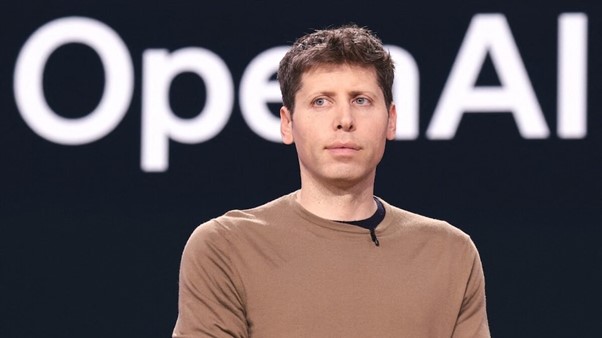
GPT-Rosalind, AI in Healthcare, OpenAI Drug Discovery Model
OpenAI has unveiled a new artificial intelligence model called GPT-Rosalind, aimed at transforming drug discovery and accelerating medical research. The new model is designed to help scientists develop medicines faster and more efficiently, potentially changing the future of healthcare.
What is GPT-Rosalind?
GPT-Rosalind is a specialized AI model created for life sciences and drug discovery. It can analyze large volumes of scientific data and extract meaningful insights that help researchers identify potential new treatments.
Traditionally, drug discovery takes years of research and billions of dollars. With AI-powered tools like GPT-Rosalind, this process could become significantly faster and more cost-effective.
How GPT-Rosalind Works
The model is built to support researchers in several ways:
- Analyzing complex biological and medical datasets
- Identifying patterns that may lead to new drug development
- Converting research findings into practical healthcare solutions
- Supporting faster completion of scientific studies
This means researchers can move from early-stage research to real-world applications more quickly than before.
Early Users and Industry Adoption
OpenAI has released GPT-Rosalind as a research preview, giving access to select organizations. Early users include:
- Amgen Inc.
- Moderna Inc.
- Allen Institute
These organizations are expected to explore how the model can improve research efficiency and drug development pipelines.
Rising Competition in AI Healthcare
The use of AI in healthcare is becoming a major focus for tech companies. Alongside OpenAI, firms like Anthropic and Google are also investing heavily in AI-driven research tools.
These companies aim to demonstrate that AI can reduce both the time and cost involved in scientific discovery, especially in areas like pharmaceuticals and biotechnology.
AI’s Growing Role in Scientific Breakthroughs
AI has already proven its value in science. A key example is AlphaFold, developed by Google DeepMind. This system can accurately predict protein structures, which is essential for understanding diseases and designing new treatments.
Such advancements highlight how AI is becoming a powerful tool in solving complex biological problems.
Focus on Safety and Responsible Use
OpenAI has emphasized that GPT-Rosalind will be deployed with a strong focus on safety and responsible usage. The company aims to ensure that organizations use the model ethically, especially when dealing with sensitive healthcare data and research.
What This Means for the Future
The launch of GPT-Rosalind could have a major impact on the global healthcare industry. Faster drug discovery may lead to:
- Quicker development of treatments for serious diseases
- Reduced costs for pharmaceutical research
- Better access to innovative medicines worldwide
Although still in its early phase, the model shows strong potential to reshape how medical research is conducted.
Conclusion
With GPT-Rosalind, OpenAI is taking a significant step toward integrating AI into healthcare and life sciences. As the technology evolves, it could dramatically speed up drug discovery and improve patient outcomes, making healthcare more efficient and accessible across the world.