Bharat NCAP Crash Test Process Comes Under Spotlight
Car safety has become one of the biggest selling points in the Indian automobile market. Today, most carmakers highlight “5-star safety ratings” during launches and advertisements. But many buyers still do not know how these ratings are decided and whether every car passes the crash test in the first attempt.
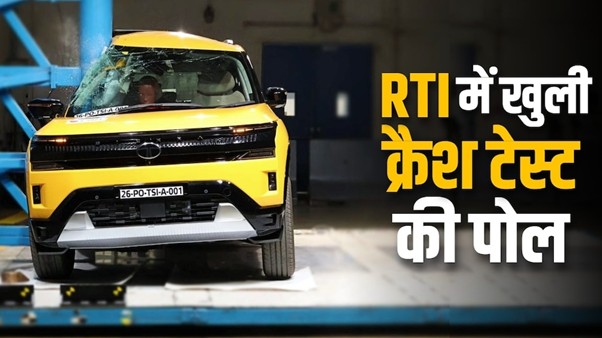
Now, a Right to Information (RTI) response has revealed important details about the Bharat New Car Assessment Programme (Bharat NCAP), including the fact that several vehicles underwent re-testing before receiving their final safety ratings.
The revelations have raised fresh discussions about how crash tests are conducted in India and how final ratings are awarded.
What is Bharat NCAP?
Bharat NCAP was launched by the Government of India on August 22, 2023. The program evaluates passenger vehicles for safety through crash testing and awards star ratings based on their performance.
The safety ratings help customers understand how well a vehicle can protect passengers during an accident. Higher star ratings indicate better crash protection and stronger safety standards.
RTI Reveals How Cars Are Selected for Crash Tests
According to the RTI reply from the Ministry of Road Transport and Highways, all vehicles tested under Bharat NCAP until March 31, 2026, were voluntarily submitted by automobile manufacturers.
The ministry confirmed that Bharat NCAP had tested 35 car models by that date. Interestingly, the government had not independently selected or nominated any vehicle for testing.
However, under AIS-197 regulations, the government still has the authority to nominate any vehicle for crash testing if required.
The RTI was reportedly filed to understand:
- How vehicles are selected for Bharat NCAP testing
- Which testing modifiers are used during crash tests
- Under what conditions vehicles are re-tested or reassessed
Seven Cars Underwent Re-Testing Before Final Ratings
One of the biggest revelations from the RTI was that seven vehicles sold in India underwent re-testing or reassessment before receiving their final Bharat NCAP safety ratings.
The cars include:
- Maruti Suzuki Dzire
- Tata Punch (ICE)
- Tata Sierra (ICE)
- Tata Curvv (ICE)
- Mahindra XUV 3XO
- Mahindra XUV400 EV
- Mahindra BE 6
According to the ministry, these reassessments were conducted under Clause 6.2 of AIS-197.
Why Were These Cars Re-Tested?
The ministry explained that re-testing can happen if:
- Test data is incomplete
- Certain critical parameters are missing
- Results fall outside the acceptable range
- Additional verification is required
After the reassessment process, the final safety ratings were issued. All seven vehicles eventually received 5-star Bharat NCAP safety ratings.
This clarification is important because it shows that a re-test does not necessarily mean a car is unsafe. Instead, it may simply indicate that additional validation was needed before publishing the final result.
Re-Testing is Common in Global Safety Programs
Industry experts say reassessment is not unusual in vehicle safety testing. Several international safety assessment programs also conduct repeat tests to ensure accuracy and consistency.
The primary objective of re-testing is to confirm that:
- Crash test data is reliable
- Vehicle performance meets safety standards
- Any technical inconsistencies are resolved properly
Only after these checks are completed are the final ratings officially published.
What This Means for Car Buyers
The RTI findings have increased transparency around the Bharat NCAP testing process. Consumers now have a better understanding of how crash test ratings are finalized and why some vehicles may require additional evaluation.
For buyers, the biggest takeaway is that safety ratings involve detailed technical analysis and strict validation procedures rather than a single crash test.
As vehicle safety awareness grows in India, Bharat NCAP is expected to play a major role in helping customers make informed car-buying decisions based on verified crash protection standards.