


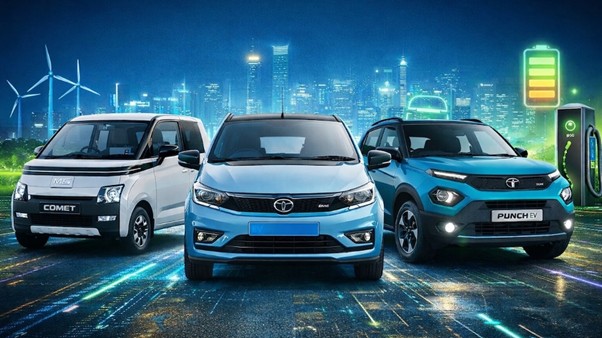
In a major step toward clean and sustainable transportation, the Delhi Government has released the draft of the Delhi EV Policy 2026–2030 in the public domain. The policy outlines subsidies, tax benefits, and future targets aimed at making electric vehicles (EVs) more affordable and widely adopted in the capital.
The government has invited suggestions and feedback from experts and the public before finalizing the policy.
Big Budget to Boost Electric Mobility
The new EV policy comes with a substantial budget allocation of ₹3,954.25 crore. The primary goal is to make Delhi a leading city in electric mobility by encouraging residents and businesses to switch to EVs.
Who Will Get Up to ₹1 Lakh Subsidy?
The policy offers attractive subsidies for different types of electric vehicles. The benefits will be transferred directly to buyers’ bank accounts through Direct Benefit Transfer (DBT).
Subsidy Breakdown
1. Electric Two-Wheelers (Up to ₹2.25 lakh price):
- First year: Up to ₹30,000
- Second year: Up to ₹20,000
- Third year: Up to ₹10,000
2. Electric Auto-Rickshaws:
- First year: ₹50,000
- Second year: ₹40,000
- Third year: ₹30,000
3. Small Electric Goods Vehicles (N1 Category):
- First year: Up to ₹1 lakh
- Second year: ₹75,000
- Third year: ₹50,000
Extra Benefits: Scrapping Incentives
To encourage people to replace old vehicles, the policy also includes scrapping incentives:
- ₹10,000 for electric two-wheelers
- ₹25,000 for electric autos
- Up to ₹1 lakh for electric cars (limited beneficiaries)
- ₹50,000 for electric goods vehicles
Major Tax Relief for EV Buyers
The Delhi EV Policy 2026 provides significant tax benefits:
- 100% waiver on road tax and registration fees for all EVs
- Full tax exemption on electric cars priced up to ₹30 lakh
- 50% tax relief on hybrid vehicles
- No tax benefits for cars priced above ₹30 lakh
These incentives aim to make EV ownership more affordable compared to traditional petrol and diesel vehicles.
Charging Infrastructure Expansion
To support the growing number of EVs, the government plans to expand charging infrastructure across the city.
Key highlights include:
- Mandatory charging stations at EV dealerships
- Easier installation of chargers in homes and offices
- Promotion of battery swapping technology
- Delhi Transco Limited (DTL) will act as the nodal agency
Strict Battery Management Rules
The policy also focuses on environmental safety by enforcing battery management regulations:
- Implementation of Battery Waste Management Rules 2022
- Establishment of battery collection centers
- Development of battery tracking systems
- Monitoring by Delhi Pollution Control Committee (DPCC)
Future Targets and Regulations
The Delhi government has set ambitious deadlines to accelerate EV adoption:
- From January 1, 2027: Only electric three-wheelers (autos) will be newly registered
- From April 1, 2028: Only electric two-wheelers will be registered
Additional rules include:
- Schools must convert fleets to 10% electric in 2 years, 20% in 3 years, and 30% by 2030
- Ride-hailing platforms like Ola and Uber will not be allowed to add new petrol or diesel vehicles from 2026
- All new government vehicles must be electric
Government’s Vision
According to Delhi Transport Minister Pankaj Singh, the policy will remain in effect until March 31, 2030. The aim is to build a clean, efficient, and sustainable transport system in the capital.
Final Thoughts
The Delhi EV Policy 2026 is not just a set of incentives—it represents a long-term vision to reduce pollution and modernize urban transport. With subsidies of up to ₹1 lakh, tax exemptions, and strict future targets, the policy could significantly accelerate EV adoption in Delhi.
The final version of the policy will be implemented after reviewing public feedback, making it a collaborative step toward a greener future.