


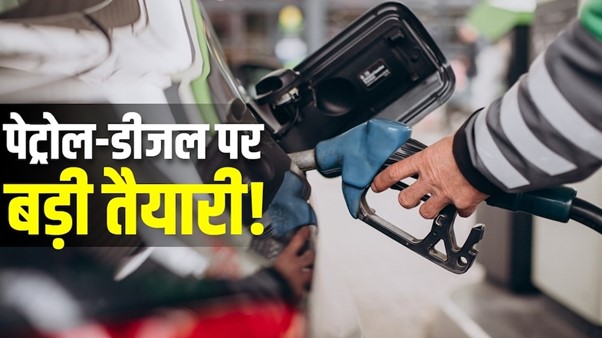
India may soon witness a major shift in its fuel ecosystem as the government moves toward introducing E85 petrol, a blend containing up to 85% ethanol. The proposal, aimed at reducing fuel imports and promoting cleaner energy, has been outlined in a draft notification released by the Ministry of Road Transport and Highways.
This move signals a strong push toward alternative fuels and could significantly change how vehicles operate in the coming years.
What Is the New E85 Petrol Proposal?
The draft notification, issued under the Motor Vehicles Act, proposes updates to fuel classifications and emission norms. It includes provisions to officially introduce higher ethanol blends such as E85 and even E100 (100% ethanol) into India’s fuel system.
Currently, petrol in India is commonly sold as E10 or E20, meaning it contains 10% or 20% ethanol. The new proposal aims to expand this range and create a structured system for multiple fuel categories.
Key Highlights of the Draft Notification
- Introduction of E85 and E100 fuel categories
- Update of petrol classification from E10 to E10/E20
- Expansion of biodiesel categories up to B100
- Revision of technical standards for vehicles using high ethanol blends
- Proposal to increase the gross vehicle weight limit from 3,000 kg to 3,500 kg
The government has opened the draft for public feedback, allowing industry experts and citizens to share their views before final implementation.
Why Is India Moving Toward Ethanol Blending?
The primary goal behind increasing ethanol blending is to reduce dependence on crude oil imports. India imports a large portion of its fuel, making it vulnerable to global price fluctuations.
By promoting ethanol, the government aims to:
- Lower fuel import costs
- Support domestic agriculture (as ethanol is often produced from crops like sugarcane)
- Reduce carbon emissions
- Promote cleaner and sustainable energy
India has already achieved its E20 target, marking a significant milestone in this transition.
What Leaders Are Saying
During a recent parliamentary session, Narendra Modi highlighted the progress in ethanol blending. He noted that a decade ago, ethanol blending was just 1–2%, but now it has reached 20%, helping reduce fuel imports significantly.
Meanwhile, Nitin Gadkari has strongly advocated for alternative fuels. He has urged automobile manufacturers to prepare for a future where traditional fuels like petrol and diesel may no longer dominate.
Will Vehicles Need Changes?
Yes, vehicles will need to be compatible with higher ethanol blends. Not all current vehicles can run efficiently on fuels like E85 or E100. Automakers may need to design flex-fuel vehicles that can operate on multiple fuel types.
The government plans to introduce these changes gradually, ensuring a smooth transition without disrupting existing systems.
What This Means for Consumers
If implemented, consumers will have more fuel options, including:
- Standard fuels like E20
- Higher blends like E25, E27, E85, and E100
However, users will need to ensure their vehicles are compatible before choosing high-ethanol fuels.
In the long run, this could lead to:
- Lower fuel costs
- Reduced environmental impact
- Greater energy independence for the country
Gradual Implementation Plan
The government has clarified that higher ethanol blends will not be introduced immediately across the country. Instead, the rollout will happen in phases, allowing time for infrastructure development and vehicle adaptation.
E20 will continue to remain the standard fuel, while higher blends will be available as optional alternatives.
Conclusion
The proposed introduction of E85 petrol marks a major step in India’s journey toward cleaner and more sustainable fuel solutions. By expanding ethanol blending, the government aims to reduce reliance on imports, cut emissions, and support the domestic economy.
While challenges such as vehicle compatibility and infrastructure remain, this move could redefine the future of transportation in India.