


Rising Concerns Over Hantavirus and Ebola Outbreaks
Global attention is once again shifting toward infectious diseases like Hantavirus and Ebola. While experts say the overall risk for the general public remains limited, awareness and preparedness are becoming increasingly important.
Hantavirus is mainly spread through contact with infected rodents, especially mice and rats. The virus can spread through contaminated saliva, droppings, or airborne particles in enclosed spaces during cleaning activities.
Early symptoms often resemble common viral infections, including fever, fatigue, body pain, and breathing difficulty. In severe cases, it can affect the lungs and other vital organs.
At the same time, Ebola cases have been reported in parts of Africa, particularly in the Democratic Republic of Congo. The outbreak has raised global health concerns, with the World Health Organization closely monitoring the situation.
Health experts emphasize that while panic is unnecessary, preparedness at home can make a big difference during emergencies.
Why Home Health Devices Are Becoming Important
Since the COVID-19 pandemic, more people have started keeping basic medical devices at home. These tools help monitor health conditions early and provide quick responses during sudden illness or emergencies.
Experts suggest that households with elderly people, children, or individuals with chronic illnesses should especially consider keeping essential health gadgets at home.
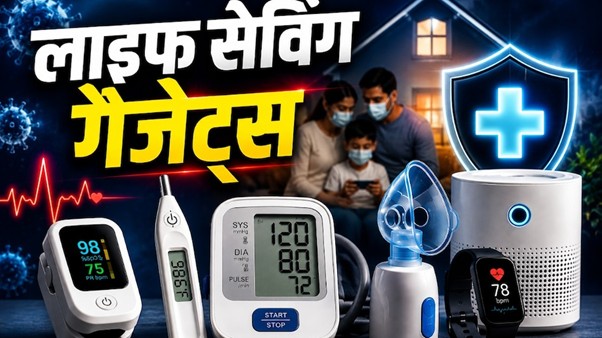
8 Essential Home Health Devices for Emergency Preparedness
Here are eight affordable yet highly useful health devices that can act as lifesavers in critical situations:
1. Pulse Oximeter
A pulse oximeter measures blood oxygen levels and heart rate within seconds. It is especially useful during respiratory infections or breathing difficulties. A sudden drop in oxygen levels can be detected early, allowing timely medical attention.
2. Digital Thermometer
Fever is often the first sign of infection. A digital thermometer provides quick and accurate temperature readings in seconds. It is safer and more convenient than traditional mercury thermometers, especially for children.
3. Blood Pressure Monitor
Fluctuations in blood pressure are common due to stress, illness, or lifestyle conditions. A digital BP monitor helps track blood pressure at home, which is particularly important for elderly individuals and heart patients.
4. Air Purifier
Clean air plays a vital role in respiratory health. An air purifier with a HEPA filter removes dust, pollutants, and airborne particles, creating a safer indoor environment—especially in polluted urban areas.
5. Steam Inhaler
Steam inhalation helps relieve nasal congestion, sore throat, and mild respiratory discomfort. It is commonly used during flu or cold seasons to improve breathing and provide quick relief.
6. Nebulizer
A nebulizer converts liquid medicine into a fine mist that can be inhaled directly into the lungs. It is especially useful for people with asthma, allergies, or sudden breathing issues.
7. Smart Health Watch
Modern smartwatches track heart rate, oxygen levels (SpO2), sleep patterns, and stress levels. Some models also alert users about irregular heart rhythms, helping with continuous health monitoring.
8. Emergency Power Bank and Portable Light
Although not a medical device, a power bank and emergency light are crucial during power outages. They ensure that phones, medical devices, and communication tools remain functional during emergencies.
Expert Advice on Health Preparedness
Health experts stress that these devices are not replacements for medical professionals. However, they can help detect early warning signs and provide critical information during emergencies.
Having basic medical tools at home can reduce panic, improve response time, and support better decision-making during sudden health issues.
Conclusion
With increasing global concerns about diseases like Hantavirus and Ebola, home health preparedness is becoming more important than ever. Affordable health devices such as oximeters, thermometers, and nebulizers can play a crucial role in early detection and emergency response.
Being prepared does not mean being alarmed—it means being ready.