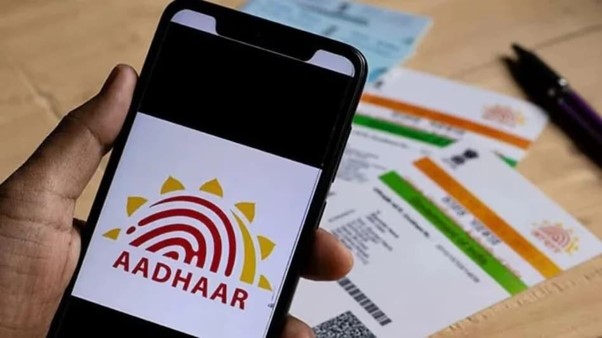
A major change could soon be coming to the Aadhaar Card, aiming to improve user privacy and prevent misuse. According to recent media reports, the new version of the Aadhaar card may no longer display sensitive personal details like name, address, and date of birth directly on the printed card.
While this update has not yet been officially confirmed, it signals a significant shift in how identity information may be shared and protected in India.
What Is the Proposed Aadhaar Card Change?
The update is reportedly being considered by the Unique Identification Authority of India, the body responsible for issuing Aadhaar numbers. The goal is to enhance security and reduce the risk of identity theft.
Under the proposed system:
- The printed Aadhaar card may only show a photograph and a QR code
- Personal details will not be visible directly on the card
- Users will need to scan the QR code to access information
This means that sensitive data will only be accessible digitally, giving users more control over what they choose to share.
How Will the QR Code System Work?
The QR code on the new Aadhaar card will act as a secure gateway to personal information. When scanned, it will allow users or authorized entities to view details such as:
- Name
- Date of birth
- Address
- Gender
Importantly, users may also get the option to hide or reveal specific details, depending on the situation. This feature could be especially useful when sharing identity proof for limited purposes.
Current Aadhaar Card Details
At present, a standard Aadhaar card issued by UIDAI includes:
- Full name
- Photograph
- Date of birth
- Gender
- Address
- In some cases, guardian or father’s name
This makes the physical copy vulnerable if it falls into the wrong hands, as fraudsters can misuse the information for identity theft or scams.
Why This Change Is Important
With rising cases of cyber fraud and identity misuse, protecting personal data has become more critical than ever. By limiting visible information on the physical card, the new design aims to:
- Prevent unauthorized access to personal data
- Reduce identity theft risks
- Enhance digital privacy
- Give users better control over their information
This aligns with the broader push toward secure digital identity systems in India.
Aadhaar App Already Offers Similar Features
Interestingly, UIDAI has already introduced similar functionality through its official mobile application. The app allows users to:
- Download Aadhaar in PDF format
- Mask or hide certain personal details
- Share digital copies securely
The app is available on both Android and iOS platforms, making it easier for users to manage their Aadhaar information digitally.
When Will the New Aadhaar Card Launch?
Reports suggest that the updated Aadhaar card design could be introduced as early as December, although no official announcement has been made yet by UIDAI.
More details, including rollout plans and eligibility, are expected to be shared in the coming months.
What Is Aadhaar Card?
The Aadhaar card is a 12-digit unique identification number issued by the Unique Identification Authority of India to residents of India. It is based on biometric and demographic data, including fingerprints, iris scans, and personal details.
Aadhaar is widely used for:
- Identity verification
- Government services
- Banking and financial transactions
- Subsidy and welfare programs
Conclusion
If implemented, the new Aadhaar card design could mark a major step forward in protecting personal data. By shifting sensitive information behind a secure QR code, the system would reduce the risks associated with physical copies.
However, since the update is still based on reports and not officially confirmed, users should wait for formal announcements from UIDAI. Until then, it is advisable to use digital Aadhaar copies carefully and avoid sharing personal details unnecessarily.