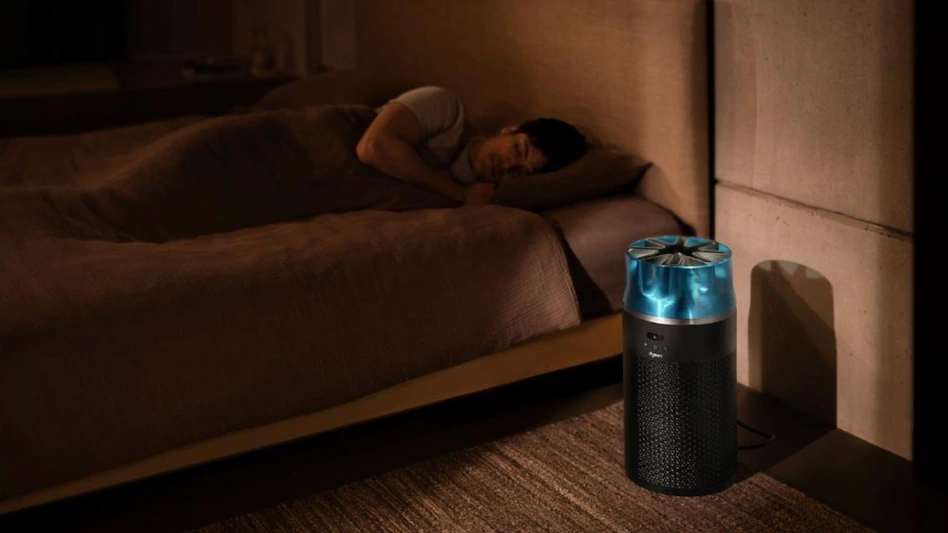
Poor indoor air quality can significantly affect your sleep, according to a new study by British tech company Dyson. Released on World Sleep Day 2026, the study highlights that factors like stress and smartphone use are not the only causes of disturbed sleep—polluted bedroom air can play a major role too.
Indoor Air Quality and Sleep
In the past, air pollution was considered mostly a winter problem. However, cities like Delhi-NCR now face poor air quality even after winter. Dyson’s research shows that indoor air in bedrooms, where people spend several hours at night, can accumulate dust particles, allergens, and gases, which negatively affect sleep quality.
Natasha Taylor, an engineer at Dyson, explains that bedrooms are often closed spaces with limited ventilation, allowing pollutants to build up overnight. These pollutants can disrupt sleep cycles, reduce deep sleep, and make breathing more difficult.
How Poor Air Affects Sleep
The study found that particulate matter in the air directly impacts sleep patterns. It can cause:
-
Reduced deep sleep
-
Frequent nighttime awakenings
-
Breathing difficulties
Sleep specialist Dr. Monica Sharma notes that many people feel tired even after a full night’s sleep. Children, in particular, may experience nighttime coughing and feel drowsy at school. Poor air quality, combined with increased carbon dioxide levels at night, can interrupt breathing and fragment sleep.
Technology Companies Focusing on Sleep
With rising awareness of sleep health, tech companies are increasingly focusing on solutions to improve bedroom air quality. Dyson emphasizes the importance of clean air in the bedroom, as we continuously inhale the same air throughout the night.
For instance, Dyson air purifiers use advanced filtration systems capable of capturing 99.97% of particles as small as 0.3 microns. These systems often include HEPA filters and activated carbon filters to reduce gases and odors. Some purifiers also feature special airflow nozzles to circulate clean air throughout the room, rather than just around the device.
Tips for Better Air and Sleep
Experts recommend taking certain precautions to maintain healthy indoor air:
-
Avoid burning scented candles, incense, or using strong air fresheners before bedtime, as these release harmful gases.
-
Keep windows closed at night if outdoor pollution is high to prevent dust, smoke, or pollen from entering.
-
Use air purifiers with HEPA and activated carbon filters to maintain clean air in the bedroom.
Why Clean Air Matters
Good sleep is not just about a comfortable mattress or pillow. The quality of the air you breathe overnight is equally important. Clean bedroom air helps promote deeper sleep, better body recovery, and reduced morning fatigue.
Companies like Oura, makers of the Oura Ring smart ring, have also published global sleep data showing that Indians sleep less on average than people in many other countries, emphasizing the growing importance of sleep health technology.
Conclusion
Dyson’s World Sleep Day 2026 study highlights a crucial but often overlooked factor affecting sleep: indoor air quality. By keeping bedrooms well-ventilated and using proper air purification, people can improve sleep quality, wake up refreshed, and support overall health.



One Comment