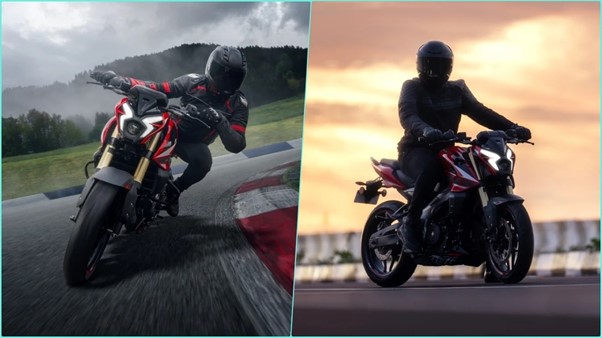
In a strategic move to adapt to evolving tax norms, Bajaj Auto has updated its popular streetfighter, the Bajaj Pulsar NS400Z, with a smaller engine. The company aims to balance performance and pricing while benefiting from favorable GST rates.
Why Bajaj Is Reducing Engine Size
Under current GST rules in India, two-wheelers with engine capacity below 350cc attract 18% tax, while those above 350cc can face significantly higher taxation—up to 40% in certain cases.
To stay competitive, manufacturers are downsizing engines slightly without compromising usability. Bajaj Auto has been actively following this strategy across multiple models.
What’s New in the Pulsar NS400Z?
The biggest update to the Pulsar NS400Z is its engine. The bike now features a 349cc, liquid-cooled, single-cylinder engine, replacing the earlier 373cc unit.
This new engine produces:
- 40 bhp of power
- 33.2 Nm of torque
While these figures are slightly lower than before, the real-world riding experience is expected to remain smooth and practical—especially for daily commuting and city use.
Interestingly, this engine setup is similar to the one used in the Bajaj Dominar 400, making it a proven and reliable option.
No Change in Price
Despite the major mechanical update, Bajaj has kept the price unchanged. The Pulsar NS400Z continues to be priced at around ₹1.93 lakh (ex-showroom).
This makes it an attractive option for buyers looking for a powerful yet affordable motorcycle in the segment.
Design Remains the Same
In terms of design, Bajaj has not made any changes. The Pulsar NS400Z retains its aggressive streetfighter styling with:
- Sharp body panels
- Muscular stance
- Strong road presence
This bold design continues to appeal to younger riders and enthusiasts.
Features and Hardware
The bike remains well-equipped with modern features and hardware, including:
- Perimeter frame for better stability
- Upside-down (USD) front forks
- Rear monoshock suspension
- Dual-channel ABS for enhanced safety
- Multiple riding modes
- Traction control system
These features ensure that the NS400Z stays competitive in its category.
Bajaj’s Broader Strategy
This move is part of Bajaj Auto’s larger plan to optimize its lineup. The company has already introduced similar changes in models developed in partnership with KTM and Triumph Motorcycles.
By aligning engine sizes closer to the 350cc mark, Bajaj aims to reduce costs, maintain performance, and offer better value to customers.
What Does This Mean for Buyers?
For customers, this update brings several advantages:
- Lower tax burden reflected in pricing
- Improved fuel efficiency and smoother performance
- Better suitability for daily riding
Although there is a slight drop in power figures, most riders are unlikely to notice a significant difference in everyday usage.
Conclusion
The updated Bajaj Pulsar NS400Z reflects how manufacturers are adapting to tax policies while keeping customer needs in mind. By combining a slightly smaller engine with the same aggressive design and feature set, Bajaj has managed to strike a balance between performance, affordability, and practicality.
For riders looking for a stylish and capable motorcycle without stretching their budget, the new NS400Z continues to be a strong contender in the segment.