Introduction
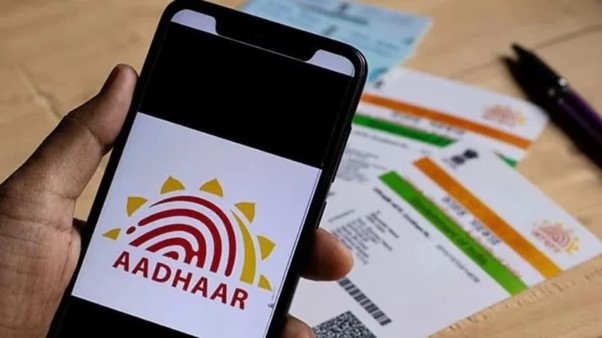
The Indian government has withdrawn its proposal to make the Aadhaar app mandatory on all smartphones sold in the country. The decision comes after smartphone manufacturers raised concerns about privacy, security, and device compatibility. Reports from Reuters confirm that the Ministry of Electronics and Information Technology (MeitY) has officially decided to drop the plan.
What Was the Proposal?
Earlier this year, the Unique Identification Authority of India (UIDAI) proposed that all new smartphones sold in India should come with the Aadhaar app pre-installed. The goal was to make the app accessible to all Indians, simplifying services like banking, telecom verification, and airport entry.
UIDAI approached the Ministry of Electronics and Information Technology, which then engaged with major smartphone manufacturers, including Apple, Samsung, and Google, to discuss the feasibility of the plan. The proposal aimed to ensure that every citizen could easily access Aadhaar services without manually installing the app.
What is Aadhaar?
Aadhaar is a 12-digit digital identification system linked to a person’s fingerprints and iris scans. It is widely used across India for identity verification in banking, telecommunications, government services, and more. Currently, over 1.34 billion people are registered with Aadhaar, making it one of the largest biometric databases in the world.
Why Was the Plan Dropped?
The Ministry reviewed the proposal after discussions with smartphone manufacturers and decided not to move forward. While neither UIDAI nor the Ministry has provided detailed reasons for withdrawing the plan, industry feedback played a crucial role in the decision.
Manufacturers consistently raised concerns regarding:
- User privacy: Pre-installing the app could raise data protection issues.
- Device security: Potential security risks associated with mandatory apps on all devices.
- Compatibility and cost: Increased production costs and possible compatibility issues with existing devices.
Apple and Samsung specifically highlighted the security risks and safety concerns of forcing the Aadhaar app onto their devices.
Historical Context
This is not the first time the government has had to backtrack on such proposals. Over the past two years, this marks the sixth time the government has attempted to mandate pre-installation of official apps on smartphones but had to withdraw each time due to opposition from device manufacturers.
A similar situation occurred in December when the government temporarily mandated the telecom app Sanchaar Saathi on smartphones. After industry pushback, the decision was reversed within days.
Implications for Users and Industry
Dropping the mandatory pre-installation plan means smartphone users will continue to have the choice of downloading the Aadhaar app voluntarily. This maintains user freedom and addresses privacy and security concerns raised by manufacturers.
For the smartphone industry, this decision reduces compliance costs and potential technical complications while avoiding conflicts with global device standards.
Government and Industry Collaboration
The recent decision underscores the importance of collaboration between the government and private tech companies. Policymakers must balance public service goals with device security, privacy, and manufacturing feasibility.
While the proposal aimed to increase Aadhaar app penetration, industry feedback has emphasized that a voluntary approach remains more practical in the current ecosystem.
Conclusion
The Indian government’s decision to drop the plan to pre-install the Aadhaar app on all smartphones reflects the growing influence of privacy and security considerations in technology policymaking. By listening to manufacturers’ concerns, the government has avoided potential legal, technical, and security complications while maintaining the app’s accessibility through voluntary download.
This case also highlights the ongoing challenges governments face when attempting to mandate digital services in a rapidly evolving technological landscape.