Introduction
In a shocking security incident, a NATO warship’s live location was unintentionally exposed through a small Bluetooth tracker hidden inside a postcard. This breach has raised serious concerns about naval security and the potential misuse of modern tracking technology.
How the Leak Happened
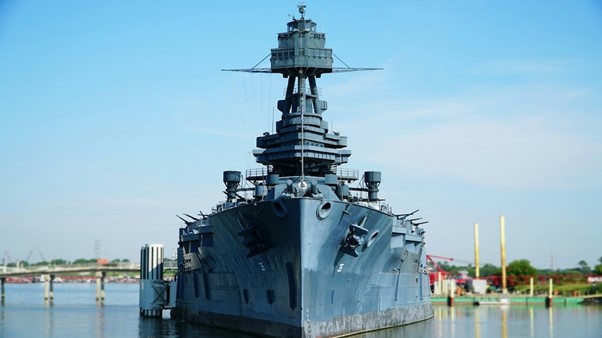
The incident involved the Dutch warship HNLMS Evertsen, an air-defense frigate that is part of NATO’s fleet. To maintain operational security, the location of such warships is usually kept secret. However, a journalist’s experiment with a postcard led to an unexpected discovery.
A small Bluetooth-based tracker, similar to popular devices like Apple AirTag, was discreetly hidden inside the postcard and sent to the ship. Once on board, the tracker began transmitting the vessel’s live location. Reports indicate that the warship was observed moving from Crete toward Cyprus, highlighting how easily sensitive military information can be compromised.
Why This Is a Serious Security Breach
Even though the incident was conducted as a test, it exposed a critical vulnerability in naval security. The tracker could have been used by hostile actors to monitor the warship, track movements, or even plan attacks. Small tracking devices, often overlooked, can thus pose significant threats when used maliciously against military assets.
The Dutch Ministry of Defense usually implements strict measures to conceal the location of its vessels. However, the postcard incident revealed how modern technology—such as Bluetooth trackers—can bypass these protections.
Government Response
The Dutch Navy quickly detected the tracker within 24 hours and deactivated it. Following this incident, the Navy has banned electronic greeting cards or similar devices from being sent to personnel aboard warships. Authorities emphasized that even seemingly harmless tech gadgets like AirTags can create severe security risks if misused.
The Role of Postcards in Naval Communication
The Dutch government had recently introduced a system allowing family and friends of military personnel to send postcards to sailors. The intention was to maintain personal connections during deployments. Unfortunately, this system unintentionally created an opportunity for security lapses.
While the postcard in this case was part of a journalistic experiment, the incident serves as a reminder that even small, everyday items can be exploited to compromise military operations.
Understanding Warships
Warships are specially designed naval vessels used for defense, combat, and strategic operations. They come in various types, including:
- Aircraft carriers – Large ships designed to carry and launch aircraft
- Destroyers – Fast, maneuverable ships for protection and offensive operations
- Frigates – Medium-sized ships for escort and defense missions
- Submarines – Underwater vessels capable of stealth operations
Each warship plays a crucial role in maintaining national and international security, making the protection of their locations vital.
Lessons Learned
This incident highlights the growing risks associated with small, easily available technology. Items like Bluetooth trackers or AirTags, often used for personal purposes, can be weaponized against sensitive targets if not carefully monitored.
Military organizations worldwide are now increasingly aware of such vulnerabilities and are taking steps to limit exposure to seemingly innocuous gadgets.
Conclusion
The postcard tracker incident with HNLMS Evertsen has sent a strong warning about modern technological threats to military security. While the tracker was neutralized without harm, the case demonstrates how simple devices can lead to significant security breaches.
As technology continues to evolve, navies and governments must stay vigilant to prevent similar incidents in the future, ensuring that warships and their personnel remain protected from digital and physical threats.